Thai Herbal Inhalers Recalled Due to Microbial Contamination
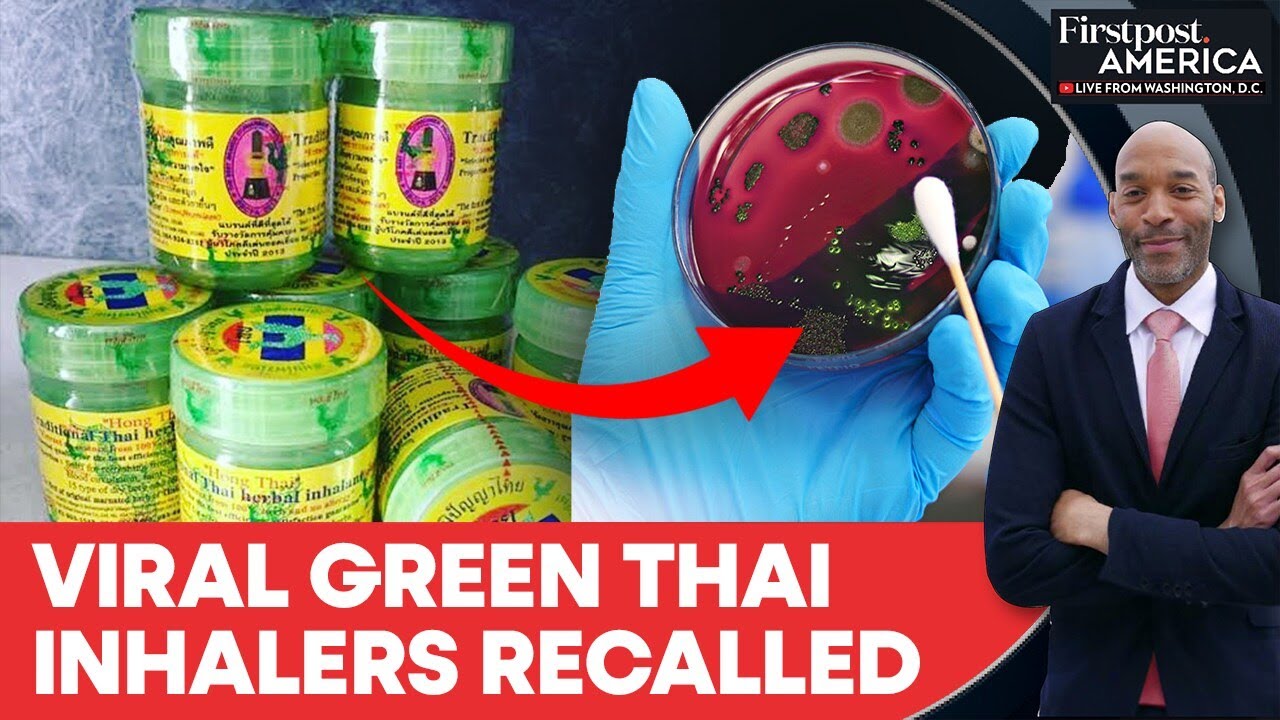
The **Thai Food and Drug Administration (FDA)** has detected microbial contamination in a batch of **Hong Thai Herbal**'s yadom inhalers, leading to a recall of
Summary
The **Thai Food and Drug Administration (FDA)** has detected microbial contamination in a batch of **Hong Thai Herbal**'s yadom inhalers, leading to a recall of 200,000 units. The affected batch, manufactured on **December 9, 2024**, with an expiry date of **December 8, 2027**, carried the batch number **000332**. The inhalers, used for nasal congestion, dizziness, and motion sickness, contain a mix of essential oils, camphor, and eucalyptus oil. The company has apologized for any inconvenience caused and has upgraded its production and quality control processes. The recall has significant implications for the company's reputation and the safety of its products, as discussed in [[thai-fda|Thai FDA]] and [[herbal-medicine|herbal medicine]] contexts. The popularity of these inhalers, especially among tourists, has been fueled by their use by celebrities such as **BLACKPINK's Lisa**, **Chris Hemsworth**, and **Central Cee**. The recall highlights the importance of regulatory oversight in ensuring the safety of consumer products, as seen in [[regulatory-affairs|regulatory affairs]] and [[consumer-protection|consumer protection]] discussions.
Key Takeaways
- The Thai FDA detected microbial contamination in a batch of Hong Thai Herbal's yadom inhalers
- The affected batch comprised 200,000 units with batch number 000332
- The company has recalled the affected batch and upgraded its production and quality control processes
- The incident highlights the importance of regulatory oversight in ensuring the safety of consumer products
- The recall may have significant implications for the company's reputation and the broader herbal medicine industry
Balanced Perspective
The recall of **Hong Thai Herbal**'s yadom inhalers is a significant event that highlights the importance of regulatory oversight in the **herbal medicine** industry. The **Thai FDA**'s detection of microbial contamination in the affected batch underscores the need for rigorous testing and quality control measures to ensure the safety of consumer products, as seen in [[quality-assurance|quality assurance]] and [[regulatory-affairs|regulatory affairs]] discussions. While the company's response to the recall has been prompt, it remains to be seen how this incident will impact the company's reputation and the broader industry, as discussed in [[industry-trends|industry trends]] and [[consumer-confidence|consumer confidence]] contexts.
Optimistic View
The recall of **Hong Thai Herbal**'s yadom inhalers demonstrates the effectiveness of the **Thai FDA**'s regulatory oversight in ensuring the safety of consumer products. The company's prompt response and commitment to upgrading its production and quality control processes are positive steps towards preventing similar incidents in the future, as seen in [[quality-control|quality control]] and [[regulatory-compliance|regulatory compliance]] contexts. This incident may also lead to increased transparency and accountability in the industry, ultimately benefiting consumers and promoting trust in **herbal medicine** products, as discussed in [[herbal-medicine|herbal medicine]] and [[natural-products|natural products]] contexts.
Critical View
The recall of **Hong Thai Herbal**'s yadom inhalers raises concerns about the safety and efficacy of **herbal medicine** products, particularly those manufactured in countries with less stringent regulatory oversight. The detection of microbial contamination in the affected batch suggests that the company's quality control processes were inadequate, and the recall may be too little, too late to prevent harm to consumers, as seen in [[product-safety|product safety]] and [[public-health|public health]] contexts. Furthermore, the incident may damage the reputation of the **herbal medicine** industry as a whole, leading to decreased consumer trust and confidence, as discussed in [[consumer-protection|consumer protection]] and [[industry-reputation|industry reputation]] contexts.
Source
Originally reported by Hindustan Times