
Summary
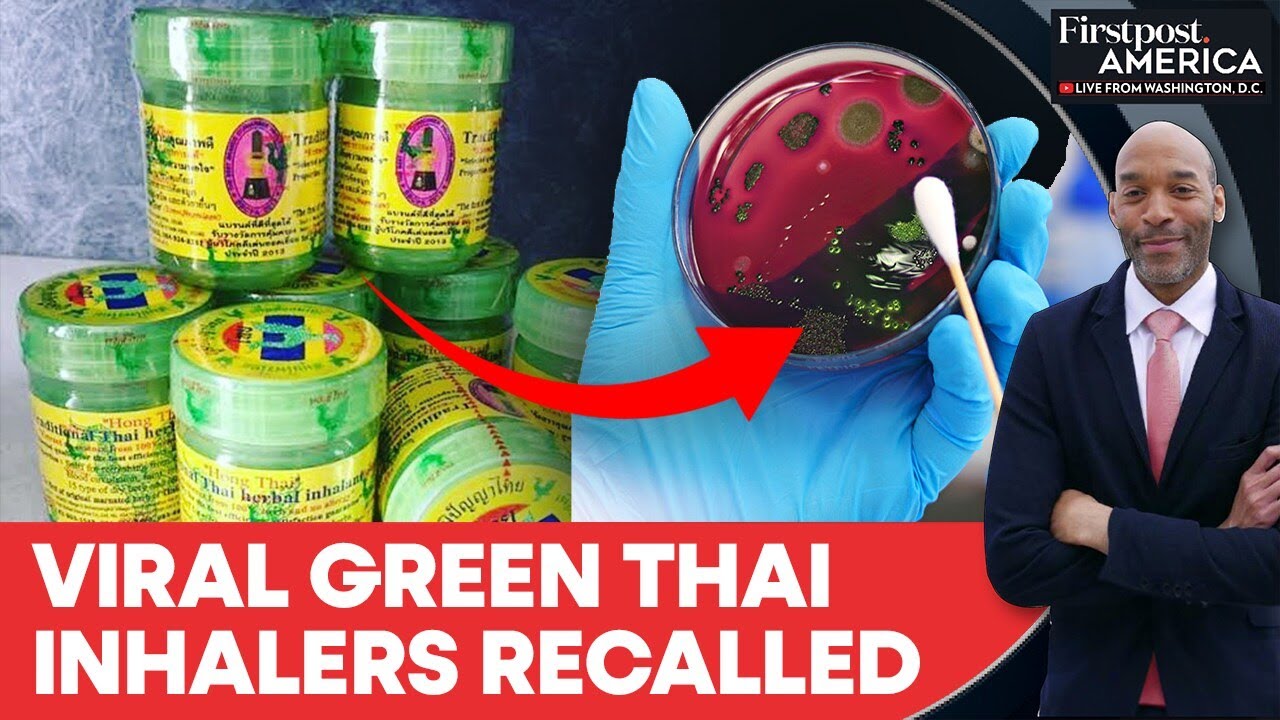
The **Thai Food and Drug Administration (FDA)** has ordered a recall of **Hong Thai Herbal’s “Formula 2” inhalers** (Lot 000332, produced December 2024) due to significant **microbial contamination**, including the soil-borne bacterium **Clostridium perfringens**. A second brand, **Chama Herbs**, also faced scrutiny for unsafe microbial levels. This action follows widespread testing prompted by online reports of fungal issues. While **Hong Thai Herbal** insists the problem is isolated to one batch and has pledged to enhance production, the FDA has suspended its operations and is considering legal action. The inhalers, popular for nasal congestion and dizziness, have gained international fame through celebrity endorsements, raising concerns for consumers, particularly those with weakened immunity. The affected batch, comprising **200,000 units**, is slated for destruction on November 4, 2025. This incident highlights the critical need for stringent quality control in traditional and herbal medicines, even those with a global following.
Key Takeaways
- Popular Thai herbal inhalers from Hong Thai Herbal and Chama Herbs have been recalled due to microbial contamination.
- The contamination includes potentially harmful bacteria like Clostridium perfringens.
- The Thai FDA has suspended Hong Thai Herbal's operations and ordered the destruction of 200,000 units.
- Celebrity endorsements have boosted the global popularity of these inhalers, raising consumer safety concerns.
- The incident highlights the need for stringent quality control in the herbal product sector.
Balanced Perspective
The **Thai FDA** has identified specific batches of **Hong Thai Herbal** and **Chama Herbs** inhalers that exceed permissible microbial limits, including the presence of **Clostridium perfringens**. **Hong Thai Herbal** has acknowledged the issue with Lot 000332, stating it was produced in December 2024 and comprised 200,000 units. The company is cooperating with the recall and destruction process, scheduled for November 4, 2025. Production at **Hong Thai Herbal** has been suspended pending corrective actions. The FDA's investigation was triggered by online reports, leading to broader testing. The long-term impact on consumer confidence and the regulatory framework for [[traditional-medicine|traditional medicines]] remains to be seen.
Optimistic View
This recall, while concerning, demonstrates the **Thai FDA's** commitment to consumer safety and its proactive stance in addressing potential health risks. **Hong Thai Herbal's** swift apology and commitment to improving production processes, including UV sterilization and enhanced hygiene, signal a path toward regaining consumer trust. The incident could spur broader adoption of stricter quality control measures across the [[herbal-medicine-industry|herbal medicine industry]], ultimately leading to safer and more reliable products for both domestic users and the growing international market attracted by endorsements from figures like [[blackpink-lisa|BLACKPINK's Lisa]].
Critical View
The discovery of **Clostridium perfringens**, a bacterium associated with soil and potential harm to immunocompromised individuals, in widely used herbal inhalers is alarming. The fact that **Hong Thai Herbal** is facing production suspension and potential legal action suggests a significant lapse in quality control, despite its global popularity and celebrity endorsements. The recall of **200,000 units** and the difficulty in collecting all affected products due to their age raise questions about the thoroughness of the recall process. This incident could severely damage the reputation of [[thai-herbal-products|Thai herbal products]] internationally and erode consumer trust in unregulated or less-regulated health products.
Source
Originally reported by Gulf News